What the Homelander symbol means
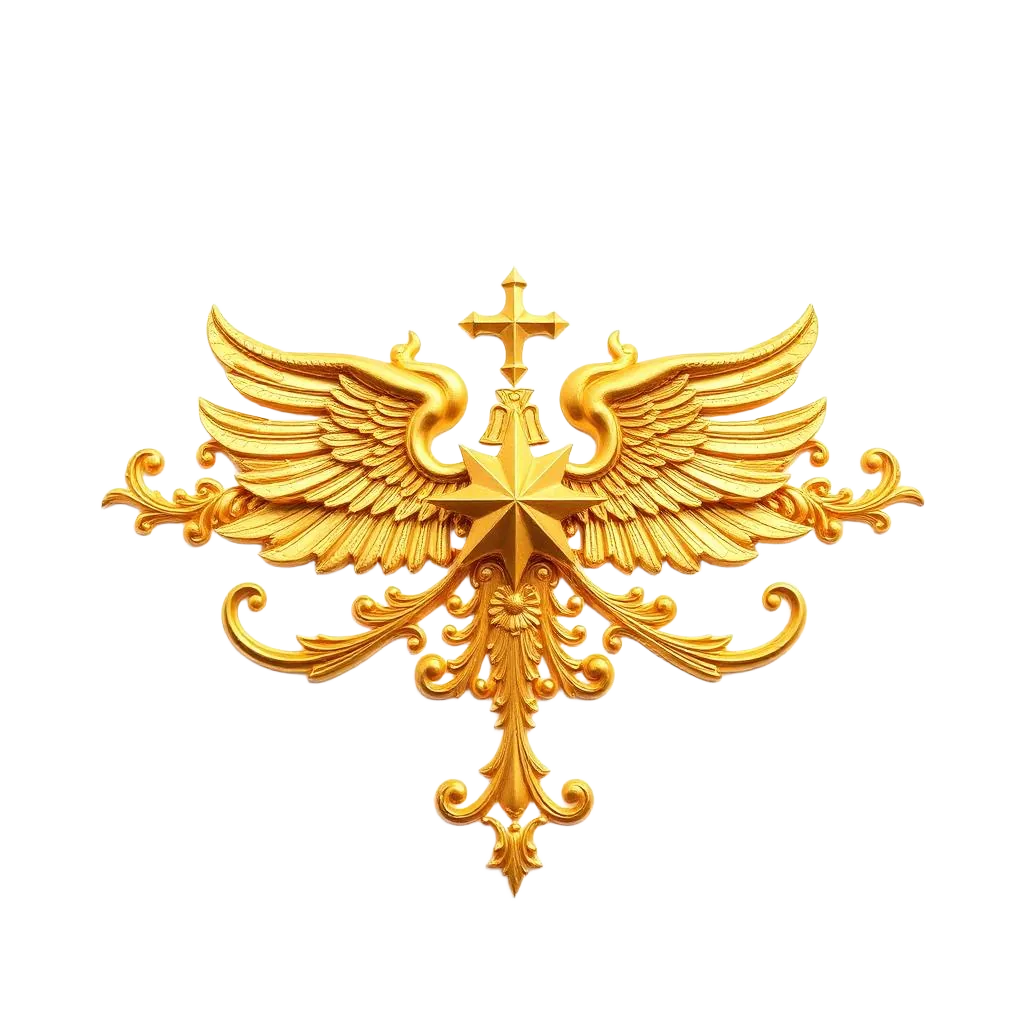
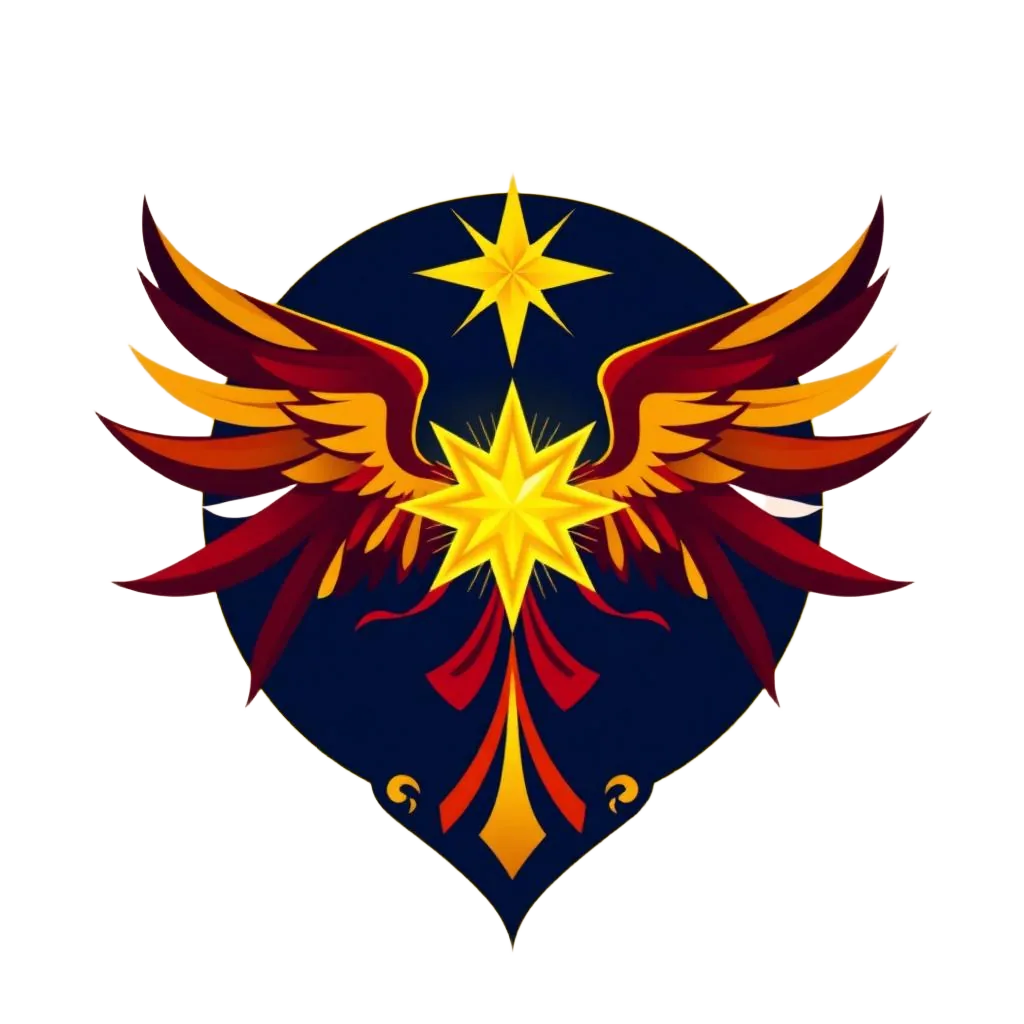
The Homelander symbol on this site is a stylised letter H ringed by a golden halo of light. The H stands for the obvious — Homelander, the man above all men, the central figure the parody Church of Homelander is built around. The halo is the joke and the warning at the same time: it asks the viewer to decide whether this man is sanctified or just very, very well lit. The whole emblem is, in a sense, the show's thesis compressed into a single piece of iconography — handsome power, framed as divinity, asking the audience to fill in the blank.
The cape, rendered in gold and red, is borrowed from the iconography of the character on screen. In the Church it functions as a verdict: a thing you choose to wear, not a thing handed to you. The upward gaze the emblem implies — and the upward gaze the character himself constantly demands of crowds — is the most authoritarian gesture in any visual vocabulary. Look up. Keep looking up. Do not look at the person next to you.
The H, broken down
The letterform itself is built on two vertical strokes joined by a single horizontal bar. The Church's parody version exaggerates the verticals — they read almost as columns — and tightens the crossbar into a narrow lintel. The shape borrows from temple architecture on purpose. A doorway you walk under, not through. The geometry is meant to feel monumental at any size, from a browser favicon to a wall-sized mural, because monuments are the visual grammar of permanence — and permanence is the lie every authoritarian symbol tells.
The halo
In religious iconography the halo is a marker of sanctity. In advertising it is a marker of trust. In The Boys it is a marker of corporate brand management. The Church's halo is all three layered on top of each other. The ring is bright but not warm; the gold is closer to brass than sunlight; the edges shimmer because the character himself can never be quite still in the eye of the camera. A halo around a smile is the most dangerous picture a superhero franchise can produce. The Church takes that picture and turns it into a logo.
The cape
The cape is the most quoted piece of Homelander's costume — red, gold-trimmed, theatrically heavy. In the Church it appears in the iconography as a verdict: you wear it because you chose to, and the choice cannot be unmade in public without a cost. The character on the show understands this perfectly. The cape is the contract. The Church reads the cape the same way.
Homelander symbol vs. the official Homelander logo
The Homelander logo as it appears in the show and in Amazon Prime Video's marketing for The Boys is a piece of registered intellectual property owned by Amazon Studios and Sony Pictures Television. It uses a specific letterform, specific colours, and a specific layout that the Church does not reproduce. The emblem on this site is a fan-made re-interpretation — same letter, different geometry, made for parody, personal use, edits, wallpapers, and offline shrines.
If you are looking for the official Homelander logo for licensed merchandise, you should go to the official Amazon / Sony / Vought-branded channels. If you are looking for an unofficial, fan-made parody emblem to share, the one above is yours. Do not pretend it is the official mark — the official mark belongs to people with lawyers.
Using the emblem
The Church's emblem is free to use in fan edits, fan wallpapers, fan tattoos you will regret, social posts, and offline tributes, with one rule: do not represent it as the official Homelander logo or as the mark of any actual religious body. It is parody iconography. Treat it like the satire it is.
Where to read next
Read the four parody tenets in the Doctrine, take the Oath, hear the voices of the followers, or browse the in-character Homelander quotes. If you want the plain-English explanation of any of this, the FAQ has it.